Shinier: A Modern Sans Serif That Breaks the Mold
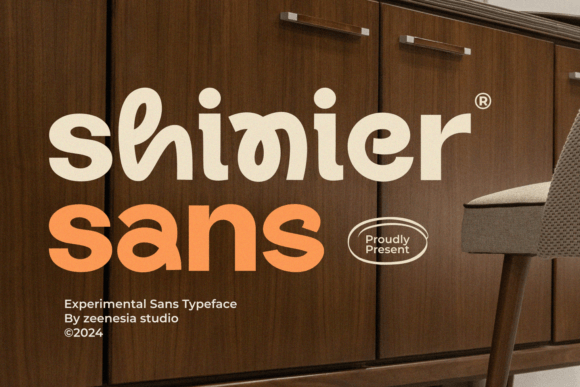
There's a moment in every design project where the typeface either elevates the entire concept or holds it back. You've been there—scrolling through dozens of fonts, trying to find something that feels both fresh and functional, creative yet legible. That's precisely the space where Shinier lives. This experimental sans serif font doesn't just sit quietly on the page. It makes a statement, balancing bold geometric structure with unexpected curves that give every letterform a sense of movement and personality.
What makes Shinier stand out in a crowded field of modern typefaces is its willingness to push boundaries without sacrificing clarity. Each character has been meticulously designed to walk the line between creative exploration and practical readability. If you've ever wished for a font that could carry the weight of a headline while still feeling approachable in body copy, Shinier might be the answer you didn't know you were looking for.
A Typeface Built for Bold Branding Decisions
Think about the brands that stick in your mind. Chances are, their typography plays a bigger role than you realize. A distinctive typeface becomes inseparable from the brand itself—think of how instantly recognizable certain logos have become, largely because of their font choices. Shinier offers that same potential for visual distinction.
For entrepreneurs and small business owners building a brand identity from scratch, choosing the right typeface is one of the most consequential early decisions. Shinier's unconventional design gives brands an edge: it signals innovation, creativity, and forward-thinking without veering into illegibility. Whether you're designing a logo for a tech startup, a boutique coffee roaster, or an independent fashion label, this premium font provides a foundation that feels both contemporary and memorable.
The bold lines communicate confidence, while the unexpected curves soften the overall impression just enough to feel inviting. That combination is surprisingly hard to find in a single sans serif font, which makes Shinier a valuable asset for anyone serious about building a cohesive brand identity.
Where Shinier Truly Shines: Real-World Applications
A font is only as good as its versatility. The most beautifully designed typeface in the world falls flat if it can't adapt to the messy, varied demands of real projects. Here's where Shinier proves its worth across a wide range of creative and commercial applications.
Packaging design is one area where Shinier's personality really comes through. Imagine a shelf full of competing products—bottles, boxes, bags all vying for a shopper's attention. A display font like Shinier cuts through the visual noise. Its distinctive letterforms give packaging an edge that feels polished without being sterile. Whether you're designing labels for artisanal goods or tech accessories, the font's unique character helps products stand out in crowded retail environments.
For social media graphics, Shinier offers the kind of visual punch that stops a scrolling thumb. Instagram posts, Pinterest pins, TikTok overlays, Facebook ads—each of these formats demands typography that communicates quickly and memorably. Shinier's bold structure ensures text remains legible even at small sizes or when layered over images, which is a common challenge in social media design.
Web design and blog layouts benefit from Shinier's clean readability paired with its distinctive character. Website headers, navigation menus, call-to-action buttons, and hero text all become more engaging when set in a typeface that has personality without clutter. For bloggers and content creators who want their sites to feel professional and intentional, using a well-crafted creative font like Shinier across headings and accent text can transform a standard template into something that feels custom-built.
Print materials haven't lost their relevance, either. Posters, business cards, brochures, invitations, and event programs all benefit from a typeface that commands attention at larger sizes. Shinier's design scales beautifully—it looks just as compelling at poster-size as it does in smaller applications like menu headers or thank-you cards. For anyone creating merchandise like tote bags, t-shirts, or stickers, the font's bold character translates well to physical products where text needs to read clearly from a distance.
Editorial design is another natural fit. Magazine covers, book layouts, newsletter headers, and digital products like eBooks and online courses all demand typography that guides the reader's eye while establishing a visual tone. Shinier's balance of clarity and creativity makes it suitable for both display purposes and shorter blocks of text where you want to inject some personality.
Pairing Shinier with Other Fonts
No typeface exists in isolation. Font pairing is where design gets interesting—and sometimes frustrating. The good news is that Shinier's structure makes it surprisingly adaptable when combined with other typefaces.
For projects that need a classic, grounded feel, try pairing Shinier with a clean serif font for body text. The contrast between Shinier's modern, geometric energy and a traditional serif's warmth creates visual hierarchy that feels balanced and intentional. Think of a magazine spread where Shinier handles the headlines and a typeface like Georgia or Playfair Display carries the paragraphs.
If you prefer a more contemporary stack, pair Shinier with a neutral sans serif font for body copy. Something like Inter or Work Sans provides a quiet backdrop that lets Shinier's personality take center stage in headings and accent text. This approach works particularly well for websites, apps, and digital media where clean readability is paramount.
For creative projects with a more expressive vibe, consider combining Shinier with a handwritten font or script font in limited doses. A script font used for decorative accents—like a tagline or a pull quote—paired with Shinier's structured forms creates an appealing tension between organic and geometric. Just be careful not to overdo it; too many expressive fonts competing for attention creates visual chaos rather than harmony.
The key to successful pairing is restraint. Let one typeface lead and the other support. Shinier works best when it's given room to breathe—overloading a design with competing fonts dilutes its impact.
Practical Tips for Getting the Most from Shinier
Before committing to any font for a project, take time to test it in context. Set your actual headlines, not just placeholder text. See how the letterforms interact with your color palette, imagery, and layout structure. A font that looks stunning in a specimen sheet might feel different when surrounded by the specific elements of your design.
Pay attention to readability at the sizes you'll actually use. Shinier is designed with clarity in mind, but every project has different requirements. Test it at the smallest size it will appear—whether that's a caption on a social media graphic or a footer on a website—and make sure it still reads comfortably.
Review the full range of styles and weights included with the font family. Many design assets include multiple variations—light, regular, bold, italic—that expand your creative options significantly. Using different weights from the same family is one of the simplest ways to create visual hierarchy without introducing another typeface.
Licensing is another practical consideration that's easy to overlook in the excitement of finding the right font. If you're using Shinier for commercial projects—client work, products for sale, business branding—make sure you have the appropriate commercial font license. Most premium fonts come with clear licensing terms, but it's worth reviewing them before launch to avoid headaches later.
Finally, trust your instincts. Typography is both a science and an art. The technical details matter—kerning, leading, alignment—but so does the feeling a font evokes. If Shinier feels right for your project, if it captures the energy and tone you're aiming for, that gut response is worth honoring. The best design decisions often come from that intersection of practical knowledge and creative intuition.
Why Experimental Typography Matters Right Now
We're living through a period where visual identity carries more weight than ever. Every brand, creator, and business is competing for attention in increasingly saturated spaces—feeds, inboxes, shelves, screens. The typography choices you make either help you blend in or stand out.
Modern typography is moving away from safe, predictable choices. Audiences are responding to designs that feel intentional and distinctive, even if they can't articulate why. A typeface like Shinier reflects that shift. It acknowledges that standing out doesn't require sacrificing professionalism or readability—it just requires a willingness to choose something with character.
Whether you're a designer working on client projects, a small business owner building your brand, a content creator developing a visual identity, or a hobbyist exploring creative expression, the fonts you choose shape how your work is perceived. Shinier offers a compelling option for anyone who wants their typography to do more than just convey words—to convey intention, personality, and a point of view.