Brush Texture: A Vintage Serif for Bold, Eye-Catching Design
You know the feeling when you're scrolling through a sea of sameness—clean sans serifs, elegant scripts, minimalist everything—and then something stops you. A t-shirt with lettering that feels hand-stamped. A product label that looks like it was pulled from a 1950s general store. A social media post with typography that practically shouts from the screen. That's the kind of presence Brush Texture brings to the table.
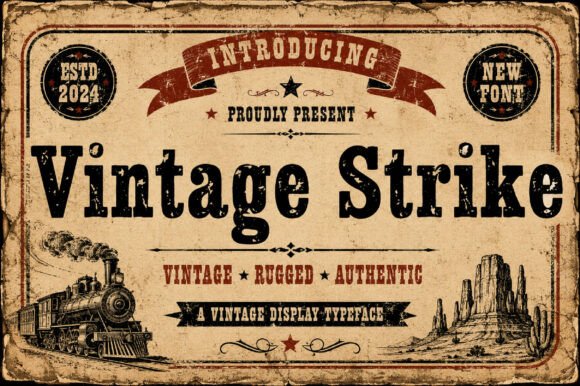
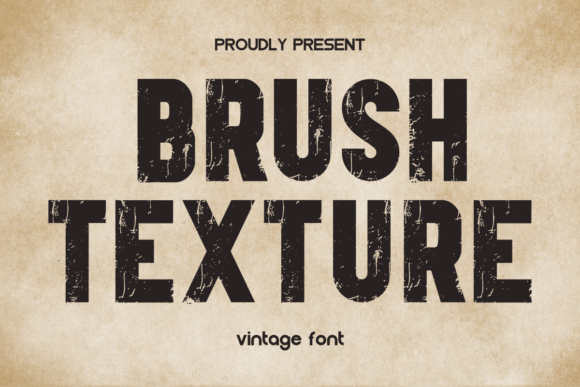
This is a bold, wide-set serif typeface with serious vintage character. The letterforms are thick, the serifs are pronounced, and the overall vibe is confident without being aggressive. It doesn't whisper. It announces. And for designers, entrepreneurs, and creators who need their text to carry weight—literally and figuratively—that distinction matters more than most people realize.
What Makes This Typeface Stand Out
Most display fonts fall into predictable buckets. Some are ornate to the point of illegibility. Others are bold but generic—strong enough to hold a headline but forgettable the moment you scroll past. Brush Texture sits in a more interesting space. It has the visual heft of a premium display font combined with enough personality to feel genuinely distinctive.
The wide character width is one of its defining traits. Each letter occupies real estate on the page, which means headlines set in Brush Texture naturally command attention. The serifs are bold and slightly squared, giving the font a grounded, industrial quality that nods to mid-century American typography. Think vintage brewery logos, old boxing posters, classic Americana packaging. There's a warmth to it, though—it doesn't feel cold or corporate. It feels crafted.
That combination of boldness and warmth is surprisingly rare in the world of typefaces. Many serif fonts lean either too formal or too decorative. Brush Texture manages to feel substantial and approachable at the same time, which makes it versatile in ways that catch people off guard.
Where This Font Actually Works
Let's talk specifics, because versatility only matters if it translates into real projects.
Logo design and brand identity is an obvious starting point. If you're building a brand that wants to feel established, trustworthy, and a little bit rugged—think craft breweries, barbershops, outdoor gear companies, artisan food brands—Brush Texture gives you a typographic foundation that communicates all of that before anyone reads a single word of your copy. The bold serifs and wide proportions create instant visual authority.
Packaging design is another natural fit. Product labels need to work at a glance, especially on crowded retail shelves. The strong silhouettes of Brush Texture's letterforms are legible from a distance and distinctive enough to differentiate your product from competitors relying on the same handful of overused display fonts. Whether it's a hot sauce bottle, a candle label, or a coffee bag, the vintage character of this typeface adds a layer of perceived craftsmanship.
Merchandise and print-on-demand projects benefit enormously from fonts with this kind of presence. T-shirt typography is a different animal than web design. Text on apparel needs to look intentional and graphic—it's competing with logos, illustrations, and the natural folds of fabric. Brush Texture's bold weight and wide spacing hold up well in this context. Hoodies, tote bags, hats, book covers—the font adapts to physical products with ease.
Social media graphics and digital marketing are where many fonts fall apart. Screens are small, attention spans are shorter, and you're competing with an endless stream of content. A headline set in Brush Texture in a Facebook ad or Instagram post has a tactile quality that stands out against the polished, digital perfection of most feed content. It introduces texture and warmth into spaces that often feel sterile.
Posters, banners, and event materials are practically designed for this kind of typeface. Wide characters fill space effectively, bold serifs create strong visual anchors, and the vintage aesthetic gives promotional materials an editorial quality that elevates them above generic flyer design. Music festivals, farmers markets, craft fairs, pop-up shops—anywhere you need to grab attention from a distance.
Website headers, blog graphics, and editorial layouts can also benefit, though with more care. Brush Texture works beautifully as a headline or pull-quote font on a website, especially for brands with a rustic, artisanal, or heritage positioning. Pair it with a clean sans serif for body copy and you've got a typographic system that feels both distinctive and readable.
Pairing Brush Texture with Other Fonts
No typeface is an island, and even the strongest display font needs supporting players. The key to effective font pairing is contrast—not conflict.
Since Brush Texture is bold, wide, and serif-heavy, your best pairings will be typefaces that step back and let it lead. A simple, geometric sans serif works well for body text and secondary headlines. Think of fonts like Montserrat, Open Sans, or Lato—clean, neutral, and highly readable at smaller sizes. The contrast between Brush Texture's vintage character and a modern sans serif creates visual hierarchy without feeling disjointed.
If you want to lean into the vintage aesthetic more deliberately, a simple script or handwritten font can complement it for accent text—think call-to-action phrases, taglines, or decorative elements. Just be careful not to pair two highly expressive fonts together. The result is usually visual noise rather than visual interest.
A monospaced or typewriter-style font can also pair surprisingly well, especially for brands that want to blend vintage warmth with a slightly technical or editorial feel. The key is testing your combinations in context. Set real headlines, real paragraphs, real button text. See how the fonts interact at different sizes and in different layouts before committing.
Practical Considerations Before You Commit
A few things worth thinking about before you build a project around any display font, including this one.
Readability at small sizes. Bold, wide serif fonts are headline fonts for a reason. They're designed to perform at larger sizes where their character and detail can be appreciated. At 11-point body copy on a website, they'll likely feel heavy and difficult to read. Use Brush Texture where it shines—headlines, titles, logos, large-format text—and choose a complementary font for smaller applications.
Licensing. If you're using this font for commercial work—client projects, merchandise for sale, branded materials—make sure the license covers your intended use. Most premium fonts come with clear commercial licensing, but the terms vary. Some licenses cover unlimited personal and commercial use; others restrict usage to a specific number of projects or devices. Read the fine print before you start designing, not after.
Available styles. Check what's included with the font family. Does it come with multiple weights? Italics? Alternates or ligatures? The more styles and glyphs available, the more flexibility you'll have across different projects. A single-weight display font is still useful, but additional styles give you room to create variation and hierarchy within a consistent typographic system.
Cultural context. Vintage-inspired typography carries associations. It can evoke nostalgia, authenticity, craftsmanship, and tradition. It can also feel dated or out of place if the rest of your design language is ultra-modern or minimalist. Make sure the font's personality aligns with your brand's personality and your audience's expectations. A tech startup probably isn't the right fit. A handcrafted soap company almost certainly is.
Making Typography Work for Your Brand
Good typography does more than look nice. It builds recognition, communicates values, and creates a sense of cohesion across every touchpoint—your website, your packaging, your social presence, your printed materials. When someone sees your headline font and immediately knows it's you, that's the result of intentional typographic choices made consistently over time.
Brush Texture is the kind of typeface that gives you a strong visual identity to build around. Its bold serifs and vintage character create a distinctive voice that's hard to confuse with anything else. For creators and business owners who want their work to feel substantial, authentic, and impossible to ignore, it's a typeface worth serious consideration.
Just remember: a great font is a tool, not a solution. It works best when it's part of a thoughtful design system—paired intentionally, used consistently, and applied to projects where its strengths actually matter. Get those pieces right, and the results speak for themselves.