Longhorn Western: A Fresh Take on Cowboy Typography
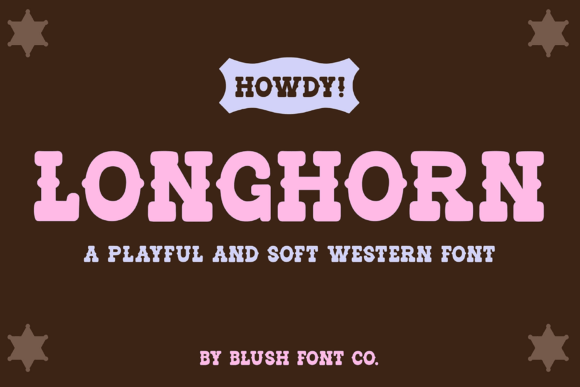
Sometimes a design project calls for a specific kind of personality—something that feels bold and confident, but also approachable and fun. If you've been searching for a typeface that captures the spirit of the American West without feeling outdated or overly rugged, you might have just found your match. This display font brings together chunky, rounded letterforms with a soft vintage-inspired aesthetic that feels both nostalgic and surprisingly modern.
What Makes This Typeface Stand Out
At first glance, the visual appeal comes from its unique balance. The letter shapes are substantial and commanding, which gives them presence on any surface. But the rounded edges soften that impact, creating a friendly, inviting quality. It's the kind of design that says "come on in" rather than "keep out." The retro cowboy aesthetic isn't trying to replicate an old wanted poster or a dusty trail sign. Instead, it takes those classic western design cues and reinterprets them through a contemporary lens.
The chunky letterforms work exceptionally well at larger sizes, making it a natural choice for headlines, logos, and display text. Each character carries weight and personality, which means you don't need to add much extra decoration to make a statement. The rounded terminals and consistent stroke widths give it a cohesive, polished appearance that reads as intentional and professional rather than amateurish or gimmicky.
Practical Applications Across Industries
One of the most valuable qualities of a well-designed display typeface is versatility. This particular style lends itself naturally to a wide range of creative projects, and understanding where it works best can help you make smarter design decisions.
Branding and Logo Design
For small businesses, boutiques, and entrepreneurs in the lifestyle, food, or outdoor space, a western-inspired typeface can communicate authenticity and character. Think about a ranch-to-table restaurant, a custom leather goods shop, or a country music venue. The font's personality helps establish an immediate visual connection with the target audience. It works particularly well for brands that want to evoke a sense of tradition, craftsmanship, or Americana without appearing overly rustic.
Packaging and Product Design
Product packaging needs to stand out on crowded shelves and in online marketplaces. The bold, readable nature of this typeface makes it effective for labels, boxes, bags, and wrapping. Whether you're designing for artisanal hot sauce, hand-poured candles, or specialty coffee, the western aesthetic can add a layer of perceived quality and care to your packaging design.
Merchandise and Apparel
T-shirt designs, sweatshirt graphics, tote bags, and hat embroidery all benefit from typefaces that maintain their impact at various sizes. The chunky, rounded style holds up well in single-color printing and embroidery applications, which is a practical consideration for anyone producing physical merchandise. Western-themed apparel, country concert merch, and rodeo event graphics are obvious fits, but the modern twist makes it work for trendy streetwear and boutique fashion lines too.
Events and Invitations
Western baby showers, country weddings, bachelorette parties, and themed celebrations need typography that sets the tone immediately. This font style helps create invitations, signage, banners, and decorative elements that feel cohesive and on-theme without requiring extensive design skills. The playful retro quality adds warmth to event materials.
Digital and Print Marketing
Social media graphics, blog headers, email campaigns, and printed flyers all benefit from a display typeface that grabs attention. The strong visual presence makes it effective for announcements, promotions, and branded content. It pairs well with simpler body text fonts, creating a clear hierarchy that guides the reader's eye.
Pairing and Readability Considerations
Any experienced designer will tell you that a display font rarely works in isolation. The key to successful typography is thoughtful pairing. Because this typeface has such a distinctive personality, it works best when paired with something simpler and more understated for body text.
A clean sans serif font provides a nice contrast without competing for attention. Think about pairing it with something like a neutral grotesque or a geometric sans for longer passages of text. If your project leans more traditional, a simple serif font for body copy can create an interesting dialogue between the playful display type and more formal text settings.
Readability is always a consideration, even with display typefaces. While this font excels at headlines and short phrases, it's not designed for paragraphs of running text. Use it strategically for maximum impact—titles, logos, callouts, and featured text—while relying on more legible options for the bulk of your content. Testing your designs at the intended size and viewing distance is always a smart practice before finalizing anything.
Exploring the Included Styles
Most premium font packages include more than a single weight. Before starting a project, take time to review what's included. You might find alternate characters, ligatures, or multiple weights that expand your creative options. Having access to bold and regular variations, for example, allows you to create more nuanced typographic hierarchies within your designs.
Some western display typefaces also include decorative elements, catchwords, or ornamental glyphs that complement the letterforms. These extras can save time and add cohesion to your projects, especially when creating logos, packaging, or event materials where every visual element needs to feel connected.
Licensing and Commercial Use
If you're planning to use this typeface for commercial purposes—which includes anything from client work to products you sell—pay close attention to the licensing terms. A commercial font license typically covers use in logos, merchandise, digital products, and printed materials. However, specific terms can vary between foundries and distributors.
Some licenses are based on the number of users or devices, while others are project-specific. If you're creating SVG files, sublimation designs, or other digital products that embed the font, make sure the license permits that use. When in doubt, review the license agreement carefully or reach out to the foundry directly. Using fonts within their licensing terms protects both you and your clients, and it supports the designers who create these valuable design assets.
Making It Work for Your Brand Identity
Choosing a typeface is really about choosing a voice. The western aesthetic carries specific associations—independence, authenticity, warmth, adventure—and those associations can strengthen a brand's visual identity when they align with the brand's values and audience. A boutique selling handmade leather goods communicates something different with this style than it would with a minimalist geometric sans serif.
The modern western look bridges a gap between tradition and trend, which makes it particularly useful for brands that want to feel established yet current. It's a typeface that can anchor a visual system, giving you a recognizable starting point around which to build colors, imagery, and layout styles. When used consistently across touchpoints—from social media graphics to packaging to website headers—it contributes to the kind of visual consistency that builds recognition and trust over time.
The real test of any typeface is whether it serves the project's goals. For designs that need personality, warmth, and a touch of western charm, this modern vintage-inspired option delivers a compelling combination of boldness and approachability that's hard to find elsewhere.