Personal Vogue: The Serif Font That Defines Modern Luxury
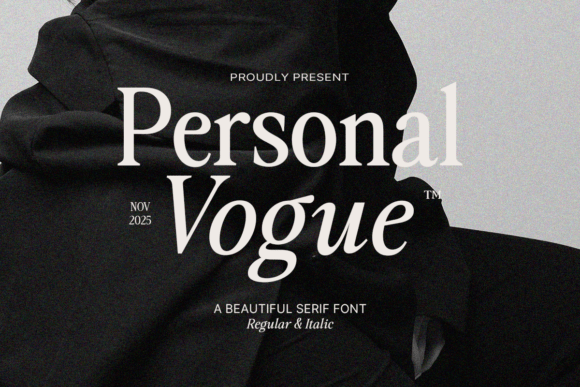
There's a particular feeling you get when you encounter a typeface that just works—that rare font where every curve, weight, and proportion feels intentional. Personal Vogue is exactly that kind of typeface. It's a high-contrast serif with the visual DNA of classic Bodoni typography but reimagined for contemporary design needs. The thin hairlines slice elegantly against thick, authoritative strokes, creating a visual rhythm that immediately communicates sophistication without trying too hard.
If you've been searching for a typeface that bridges the gap between editorial prestige and versatile, everyday usability, this might be the one worth exploring.
What Makes This Typeface Stand Out
Let's talk about the visual details that matter. Personal Vogue features beautifully curved terminals—the graceful ends of letters like "c," "e," and "s" that give the font its refined personality. The tall ascenders on letters like "b," "d," and "h" create a sense of elegance and verticality that's hard to replicate with more utilitarian serif options.
The family ships with two styles: Regular and Italic. The Regular delivers clean authority, perfect for headlines that need to command attention. The Italic, meanwhile, introduces a subtle slant and flowing letterforms that feel almost calligraphic without sacrificing readability. That balance between movement and legibility is genuinely difficult to achieve, and it's one of the reasons this font feels premium.
Another practical detail worth noting: Personal Vogue includes an extensive glyph set with broad language support. For anyone working on international branding, multilingual websites, or packaging destined for global markets, this matters more than you might think. You won't hit frustrating dead ends when a client requests French accented characters or Scandinavian diacritics.
Where This Font Truly Shines
Some typefaces are specialists. Others are workhorses. Personal Vogue sits in an interesting middle ground—it has the dramatic presence of a display font but enough restraint to work in longer contexts when paired thoughtfully.
Here are some real-world scenarios where this typeface makes a tangible difference:
- Fashion and beauty branding — If you're building a brand identity for a cosmetics line, boutique clothing label, or luxury skincare company, the high-contrast strokes and editorial feel align perfectly with industry aesthetics. Think about the typography you see in Vogue, Harper's Bazaar, or Elle—it's this style of serif that anchors those visual languages.
- Logo design — A wordmark set in Personal Vogue carries instant credibility. The distinctive character shapes mean your logo won't blend into a sea of generic serif options. The font's personality does some of the heavy lifting for brand recognition.
- Packaging design — Premium product packaging demands typography that signals quality before a customer even reads the words. Personal Vogue's delicate hairlines and commanding strokes create that "this product costs more for a reason" impression on shelf displays, boxes, and labels.
- Editorial layouts — Magazine spreads, lookbooks, annual reports, and coffee-table book interiors benefit enormously from a typeface that reads well at both large display sizes and smaller body-copy settings.
- Digital interfaces — Luxury e-commerce sites, membership platforms, and high-end service websites can use this font for hero headlines and key messaging to establish an aspirational tone from the first scroll.
- Invitations and event materials — Wedding stationery, gala invitations, product launch announcements—anywhere you want typography to convey exclusivity and care.
- Social media graphics — Instagram quotes, Pinterest pins, and promotional banners gain a polished, editorial look that stands out in crowded feeds. The font's high contrast renders well even at smaller sizes on mobile screens.
- Merchandise and print-on-demand — Tote bags, mugs, posters, and art prints benefit from a typeface with enough personality to carry a design on its own, without relying on complex illustrations.
Practical Tips for Working With Personal Vogue
Knowing a font looks beautiful is one thing. Knowing how to deploy it effectively is another. Here's some grounded advice for getting the most out of this typeface in your projects.
Choosing Between Regular and Italic
The Regular style works best for primary headlines, brand names, and any context where you want clear authority. Use it when the message needs to feel stable and confident. The Italic is ideal for subtitles, pull quotes, accent text, and situations where you want to introduce warmth or movement. Mixing both styles within a single layout—say, a Regular headline paired with an Italic tagline—creates visual hierarchy without needing a second typeface.
Font Pairing Strategies
Personal Vogue is a statement serif, so pairing it requires some intention. Here are combinations that tend to work well:
- With a clean sans serif — Pair the headline serif with a geometric or humanist sans serif for body text. Fonts like Montserrat, Poppins, or even a classic like Helvetica create a modern contrast that keeps layouts feeling fresh. The sans serif handles the functional, readable work while Personal Vogue delivers the editorial punch.
- With a script or handwritten font — For invitations, feminine branding, or lifestyle content, pairing with a tasteful script font can create a beautiful layered effect. Just be careful not to compete—let one font lead and the other support.
- With itself — Don't overlook monochromatic pairing. Using Regular for headers and Italic for secondary text creates cohesion with enough variation to maintain visual interest.
Always test your pairings at actual project sizes. A combination that looks harmonious at 72pt on your monitor might feel cluttered at 14pt in a printed brochure.
Readability Considerations
High-contrast serifs are inherently more dramatic than low-contrast alternatives, which means they perform best at medium-to-large sizes. For extended body copy—think 12pt or smaller in print, or 16px and below on screens—consider switching to a more neutral serif or sans serif for comfortable reading. Use Personal Vogue where it matters most: headlines, subheadings, pull quotes, logos, and short descriptive blocks where its personality can breathe.
On dark backgrounds, the thin hairlines may need slightly increased font weight or size to maintain visibility. Test on multiple devices and in print whenever possible.
Licensing and Commercial Use
Before using any premium font in commercial projects, verify the licensing terms. Most professional typefaces like Personal Vogue come with desktop licenses for print and a separate or extended license for web use, app embedding, or merchandise production. If you're designing for clients, make sure the license covers the intended end use. This isn't just a legal formality—it protects both you and your clients from unexpected issues down the road.
Building a Brand Identity Around Typography
Typography is one of the most underused tools in brand strategy. Many small businesses and entrepreneurs invest heavily in logos and color palettes but treat fonts as an afterthought. The reality is that consistent, intentional typography does enormous work for brand recognition. Think about how quickly you identify brands like Tiffany & Co. or Chanel just by their type treatment.
Choosing a typeface like Personal Vogue as part of your brand's visual system signals specific values: sophistication, attention to detail, and a premium positioning. When that font appears consistently across your website headers, social media templates, email newsletters, packaging, and printed materials, it builds a visual thread that audiences learn to associate with your brand—even before they consciously register the name.
The key is consistency. Define clear rules for when and how you use the Regular versus Italic, at what sizes, and in what contexts. Document these decisions in a simple brand style guide, even if it's just a one-page reference sheet. Your future self—and anyone else creating content for your brand—will thank you.
The Bottom Line on This Creative Font Choice
Personal Vogue isn't trying to be everything to everyone, and that's precisely its strength. It occupies a specific, valuable space in the design landscape: a modern serif typeface with genuine editorial credibility and enough versatility to serve across print, digital, and physical applications. Whether you're a designer crafting a luxury brand identity, a small business owner building packaging for a premium product line, or a content creator looking to elevate your visual presence, this typeface offers a real, tangible upgrade to how your work is perceived.
The difference between good design and great design often lives in the details—the curve of a terminal, the weight of a stroke, the rhythm between letters. Personal Vogue gets those details right.