California Style: A Bold Blackletter Font for Impactful Designs
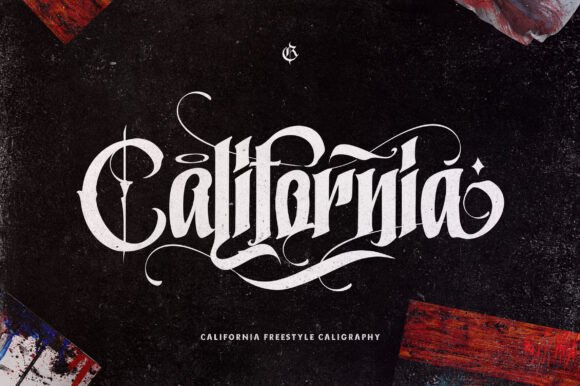
There’s a certain confidence that comes with choosing a typeface that has real presence. You know the feeling—when you drop a font onto a canvas and it immediately anchors the entire composition. That’s the energy you get with California Style. It’s a bold, thick-lettered blackletter font that doesn’t just sit quietly in the background; it steps forward and makes a statement. If you’re working on a project that needs a touch of heritage mixed with modern edge, this might be the creative asset you’ve been looking for.
The Visual Appeal of a Modern Blackletter Typeface
Blackletter fonts, sometimes called Gothic or Old English styles, have roots stretching back centuries. They carry a sense of tradition, craftsmanship, and authority. But California Style isn’t a dusty relic—it’s been crafted with contemporary design needs in mind. The thick strokes give it weight and readability at larger sizes, while the sharp, angular details provide that classic blackletter texture.
What sets this particular typeface apart is how it balances ornamentation with function. Some blackletter styles can feel overly decorative, making them hard to read in body text. California Style leans into its bold structure, making it ideal for headlines, logos, and display purposes where you want maximum visual impact without sacrificing clarity.
And because it’s PUA encoded, you get full access to every glyph, swash, and stylistic alternate. That means more creative flexibility when you’re fine-tuning a logo or adding custom flair to a social media graphic. You’re not limited to the basic character set—you can explore the full range of decorative options built into the font.
Where This Font Truly Shines: Practical Applications
Choosing a typeface is never just about how it looks in isolation. It’s about how it works in context—on a business card, a website header, a product label, or an Instagram post. Here’s where California Style can add real value to your projects:
- Branding and Logo Design: If you’re building a brand identity that needs to feel established, premium, or rooted in craftsmanship, a blackletter display font can communicate that instantly. Think breweries, barbershops, tattoo studios, streetwear brands, or artisanal products. The bold weight of California Style ensures your logo stands out whether it’s embroidered on a hat or printed on packaging.
- Packaging and Merchandise: Product packaging relies on typography to tell a story at a glance. A font like this works beautifully on labels, boxes, and tags—especially when paired with a clean sans serif for supporting text. On merchandise like t-shirts, hoodies, or tote bags, the thick letterforms hold up well in screen printing and embroidery.
- Social Media Graphics and Digital Content: Bold fonts stop the scroll. When you’re creating Instagram stories, YouTube thumbnails, or Pinterest pins, using a distinctive display typeface helps your content stand out in a crowded feed. California Style gives your graphics a strong visual anchor that draws the eye.
- Posters, Invitations, and Event Materials: Whether you’re designing a gig poster, a wedding invitation with an edge, or promotional flyers for a launch event, blackletter fonts bring a sense of occasion. They signal that something important is happening.
- Websites and Blogs: Used sparingly in headers or hero sections, a font like this can set the tone for an entire site. Pair it with a readable serif or sans serif for body copy, and you’ve got a visual hierarchy that feels intentional and polished.
- Editorial and Print Layouts: Magazine covers, book titles, and feature spreads often benefit from a display font with character. California Style can give editorial pieces a distinctive voice without overwhelming the overall design.
Matching Typography to Your Project Goals
Not every font works for every project—and that’s a good thing. The key is understanding what you’re trying to communicate and choosing typography that supports that message. Here are a few things to keep in mind when working with a bold blackletter typeface like California Style:
Consider your audience. A blackletter font might resonate perfectly with a younger, style-conscious demographic or a brand that celebrates heritage and craftsmanship. But if your project targets a corporate audience or needs to convey minimalism and simplicity, you might reserve it for accents rather than primary use.
Think about readability. Display fonts are designed for impact at larger sizes. California Style works best in headlines, logos, and short text blocks. For longer paragraphs or body copy, pair it with a more neutral typeface—a clean sans serif like a geometric or neo-grotesque, or even a classic serif for a more traditional feel.
Test your font pairings. Before committing to a final design, experiment with different combinations. Try California Style alongside a modern sans serif for contrast, or pair it with a subtle script font for a layered, dynamic look. The goal is balance—your display font should command attention without competing with every other element on the page.
Review the included styles and alternates. One of the advantages of a PUA-encoded font is access to stylistic variations. Take time to explore what’s included—swashes, ligatures, and alternate characters can add personality and help you customize your designs so they feel unique rather than templated.
Building Visual Consistency Across Your Brand
One of the most overlooked aspects of branding is typographic consistency. When your fonts are all over the place—different weights, styles, and moods across your website, social media, and print materials—it creates visual noise. Your audience might not consciously notice it, but they’ll feel it. It subtly undermines trust and professionalism.
By choosing a primary display font like California Style and using it consistently across key touchpoints, you create a recognizable visual identity. Your Instagram graphics, website headers, product packaging, and business cards all start speaking the same visual language. That consistency builds brand recognition over time.
Pair it intentionally with your secondary fonts. Maybe you use California Style for all headlines and a particular sans serif for subheadings and body text. Document those choices in a simple style guide—even a one-page reference helps you stay consistent when you’re creating content quickly or handing off design work to a collaborator.
Licensing and Commercial Use Considerations
If you’re planning to use a font for commercial projects—client work, products for sale, marketing materials—it’s important to understand the licensing terms. California Style comes with a commercial license, which means you can use it confidently in professional and business contexts. Always double-check the specific license details to make sure your intended use is covered, especially if you’re embedding fonts in apps, software, or digital products.
For designers and agencies, investing in quality commercial fonts is part of delivering professional results. A premium font with a solid license gives you peace of mind and ensures your clients’ brands are built on legitimate, high-quality assets.
Making the Most of a Bold Creative Choice
Typography is one of the most powerful tools in a designer’s toolkit. The fonts you choose shape how people perceive a brand, a product, or a message. California Style offers a bold, confident voice that works across a surprising range of applications—from streetwear logos to elegant event invitations, from social media headers to product packaging.
The trick is to use it with intention. Don’t pick a blackletter font just because it looks cool—pick it because it aligns with the story you’re telling. When the personality of the typeface matches the personality of the project, that’s when design really clicks. Explore the full character set, test it in real-world contexts, and see how it fits into your creative workflow. You might find it becomes a go-to asset in your design library.