Biscuit Munch: The Display Font That Feels Like a Warm Hug
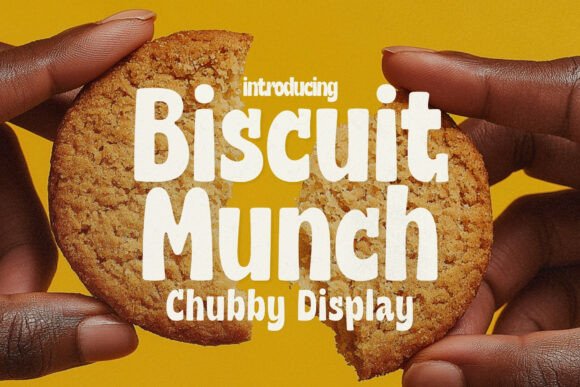
There’s a certain magic in typography that goes beyond mere letters on a page. It’s the feeling a typeface evokes—the instant visual story it tells before a single word is read. Some fonts are crisp and authoritative, others are sleek and modern, and then there are those rare gems that feel like a cozy afternoon spent in your favorite café. Biscuit Munch is precisely that kind of typeface. It’s a super fun, delightfully chubby display font packed with warmth, personality, and irresistible snack-time charm. With its bubbly rounded shapes, playful curves, and wiggly hand-drawn rhythm, this typeface looks like it leaped straight out of a cozy café menu, an adorable bakery sign, or a cheerful snack package.
More Than Just a Pretty Face: The Visual Appeal of a Chubby Typeface
What makes a display font like this so immediately engaging? It’s all in the details. The letterforms of this premium font are intentionally rounded and soft, eliminating sharp edges in favor of shapes that feel approachable and friendly. This creates a sense of accessibility and joy, which is a powerful tool in visual communication. Unlike a stark sans serif font that might communicate efficiency, or a traditional serif font that conveys heritage, a chubby display font communicates personality. It says, “We’re fun, we’re creative, and we don’t take ourselves too seriously.” This makes it an exceptional choice for brands and projects aiming to connect on an emotional level, particularly with audiences seeking warmth, nostalgia, or playful energy.
From Bakery Signs to Brand Identities: Where This Font Shines
The true test of any creative font is its versatility in real-world applications. This is where a typeface like Biscuit Munch truly excels, offering solutions for a wide array of projects. Its inherent charm translates seamlessly across different mediums, helping to build a cohesive and memorable visual presence.
For small business owners, especially those in the food and beverage industry, this font is a natural fit. Imagine it on the logo and packaging for a local bakery, a gourmet popcorn brand, or a children’s juice box. It instantly communicates the product’s fun, homemade, or kid-friendly nature. The same principle applies to restaurant menus, where it can highlight daily specials or dessert lists, making the offerings feel more inviting and less formal. Beyond food, it’s perfect for any brand with a playful ethos—a toy store, a craft supply shop, or a community center’s event posters.
Logo design is another area where this display font can create a strong foundation. A logo set in this typeface is inherently memorable and sets a clear tone from the outset. It works beautifully for primary logos, but also shines in secondary elements like monograms, wordmarks, or taglines, adding a layer of personality to a broader brand identity system.
The Practical Side: Pairing, Readability, and Licensing
While its charm is undeniable, using a display font effectively requires a bit of strategic thinking. The key is balance. Because of its strong personality, it’s rarely the right choice for long blocks of body text. Its strength lies in headlines, titles, logos, and short, impactful statements. For the supporting text, you’ll want to pair it with a cleaner, more neutral typeface. A simple sans serif font or a classic serif font can provide excellent contrast, ensuring your overall design remains readable and professional while still letting the playful headlines pop.
Before finalizing any design, always test your font pairing. See how the letters interact with each other, check the spacing, and ensure the hierarchy between your headline and body copy is clear. This step is crucial for maintaining visual consistency and achieving a polished result, whether you’re designing a website, a social media graphic, or a printed brochure.
Another important consideration is licensing. When you invest in a commercial font, you’re not just buying the files; you’re purchasing the right to use them in your commercial projects. Always review the license details to understand what’s permitted—this typically covers uses like logo design, packaging design, merchandise, and digital ads. Knowing you have the proper license for a premium font provides peace of mind and protects your business as it grows.
Creative Sparks: Unconventional Uses for a Whimsical Typeface
Thinking beyond the obvious can unlock even more potential for a font with this much character. Consider using it in editorial design for a quirky magazine layout, perhaps for drop caps or pull quotes that need to grab attention. Content creators can leverage it for eye-catching YouTube thumbnails or podcast cover art that stands out in a crowded feed. For those in the digital products space, it could be the perfect choice for the title of a printable planner, a set of fun stickers, or the header on a recipe card PDF.
Even in more traditional marketing assets, there’s room for playfulness. A direct mail postcard for a summer festival, an email newsletter header for a kids’ clothing brand, or the invitation for a first birthday party—these are all scenarios where the warmth and joy of this typeface can significantly boost audience engagement. It transforms a simple piece of communication into something that feels personal and celebratory.
Choosing Your Tools with Intention
Ultimately, the fonts you choose are fundamental design assets. They are not just decorative; they are communicative tools that shape perception and guide the viewer’s experience. Selecting a handwritten font or a playful display font like this one is a deliberate choice to infuse your project with specific emotions—joy, nostalgia, comfort, and fun. It’s about matching your typography to your project’s core goals and the audience you wish to reach.
For the designer, entrepreneur, or hobbyist, building a toolkit of versatile typefaces is part of the creative process. Having a go-to chubby display font in your collection means you’re always prepared for projects that call for a dose of personality. It’s about having the right tool for the job, one that helps you communicate not just a message, but a feeling. In a world saturated with content, that emotional connection is what makes a design—and the brand behind it—truly unforgettable.