Modern Thinking: A Bold Retro Typeface for Contemporary Design
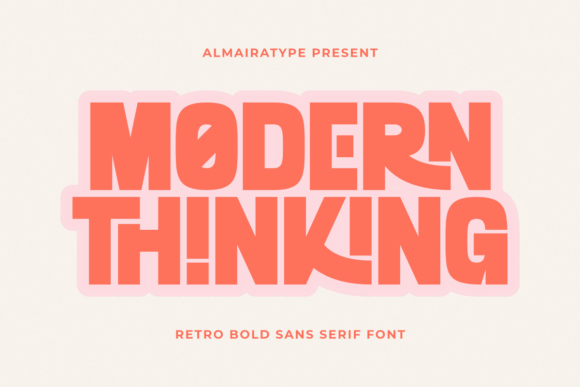
There's a particular kind of energy that comes from typography that knows exactly what it wants to say. It's the feeling you get when a vintage concert poster catches your eye from across a crowded room, or when a streetwear brand's logo feels both nostalgic and completely fresh at the same time. That's the space Modern Thinking occupies—a chunky, geometric sans serif that channels the bold spirit of 1970s graphic design while speaking directly to today's creative landscape. For designers, brand builders, and makers who need their type to do more than just sit quietly on a page, this typeface offers something genuinely useful: character without compromise.
Where Vintage Soul Meets Modern Street
Modern Thinking isn't trying to be everything to everyone, and that's precisely what makes it work. The letterforms carry a solid, weighty presence—think thick strokes, rounded terminals, and the kind of structural confidence you'd find on old record sleeves or retro airline branding. But there's nothing dusty about it. The geometric balance feels intentional and clean, which means it plays nicely with contemporary layouts, minimalist design systems, and the kind of stripped-back aesthetic that dominates modern branding.
What really sets this typeface apart are the custom alternate characters. These aren't afterthoughts or generic swashes—they're thoughtfully designed variations that give you real flexibility. Swapping an alternate "A" or "R" can shift the entire personality of a headline, letting you fine-tune the mood without changing fonts. For anyone building a brand identity or designing a product line, that kind of typographic control is genuinely valuable.
Practical Applications That Actually Matter
Let's talk about where Modern Thinking earns its keep in real projects. If you're designing merchandise—t-shirts, hoodies, tote bags—this font was practically built for that work. The chunky weight reproduces beautifully at large scales, maintaining its visual impact whether it's screen-printed on cotton or heat-pressed onto a cap. The clean outlines mean fewer headaches during production, especially if you're working with vinyl plotters like Cricut or Silhouette. Weeding intricate script fonts can eat up hours; with a bold sans serif like this, the process is dramatically simpler.
For packaging design, Modern Thinking brings shelf presence. A bold typeface on a coffee bag, a candle label, or a craft beer bottle immediately communicates confidence. Pair it with a simple sans serif for body copy and you've got a hierarchy that reads clearly from a distance—exactly what you need when someone's scanning a shelf full of competing products.
Social media is another natural home for this kind of typeface. Instagram posts, story graphics, YouTube thumbnails, and Pinterest pins all demand fonts that stop the scroll. Modern Thinking's retro-meets-modern aesthetic taps into the current appetite for nostalgic design without feeling like a costume. It's especially effective for quotes, announcements, and sale graphics where the headline needs to carry the entire message in a fraction of a second.
And then there's the craft and DIY space. If you sell SVG files, design printable wall art, or create custom stickers, having a premium font that cuts cleanly and looks professional at various sizes is non-negotiable. Modern Thinking's solid geometric structure translates well across these formats, giving your digital products a polished, commercial-ready appearance.
Building a Brand with Typographic Intention
Choosing a font for a brand isn't just about aesthetics—it's about communication. The typeface you select sends a message before anyone reads a single word. Modern Thinking communicates boldness, creativity, and a certain playful confidence. It says the brand behind it doesn't take itself too seriously but still cares deeply about quality and visual impact.
For independent apparel brands, this is particularly useful. The streetwear and print-on-demand space is crowded, and standing out requires a visual language that feels both distinctive and cohesive. A strong display font becomes the backbone of that language. Use it consistently across hang tags, website headers, social graphics, and shipping labels, and you start building the kind of visual consistency that turns casual buyers into loyal customers.
Brand recognition doesn't happen overnight, but typography is one of the fastest shortcuts to it. Think about how quickly you can identify brands like Supreme or Stüssy just from their type choices. Modern Thinking gives smaller brands access to that same principle—distinctive lettering that people remember.
Pairing and Readability: Getting the Details Right
A display font like Modern Thinking works best when it's part of a thoughtful typographic system, not flying solo. For body copy—blog posts, product descriptions, longer marketing materials—you'll want to pair it with something more neutral and highly legible. A clean geometric sans serif or even a simple serif font can provide the contrast needed to keep your layouts balanced.
The key is testing your pairings in context. Set a headline in Modern Thinking, then drop in your body font at actual reading size. Does the contrast feel intentional or jarring? Does the personality of the display font overshadow everything else, or does it create a clear visual hierarchy? These are the questions worth answering before you commit to a brand system or a large print run.
Readability is always worth considering, even with a display typeface. Modern Thinking's geometric construction and generous letter spacing make it surprisingly legible at medium sizes, which opens up uses beyond just massive headlines. Think subheadlines, pull quotes, button text on websites, and short promotional copy. That said, it's not designed for long-form reading—keep it where it shines, which is at display sizes where its personality can fully breathe.
Making the Most of What's Included
Before diving into a project, take time to explore everything the typeface offers. Beyond the standard uppercase and lowercase characters, check for numerals, punctuation, and those custom alternates. Understanding the full character set upfront saves time later and often sparks creative ideas you wouldn't have considered otherwise.
Licensing is another practical detail that matters, especially for commercial work. If you're selling products—whether physical merchandise or digital downloads—make sure your font license covers commercial use. Most premium fonts designed for the creative market include this, but it's always worth confirming before your designs go to print or your products hit an online storefront.
Modern Thinking occupies a specific niche in the design toolkit: it's the font you reach for when you need personality, impact, and a nod to the past without sacrificing contemporary relevance. It won't replace your workhorse body copy fonts, and it shouldn't. But for the moments when a project needs to make a statement—bold, unapologetic, and unmistakably intentional—it delivers exactly what it promises.