Intenso: An Elegant Font Family for Timeless Design
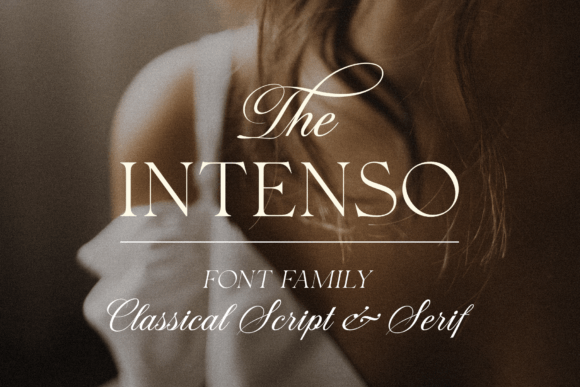
Every designer has that one typeface they reach for when a project demands sophistication without the stiffness. For me, that’s become Intenso. It’s not just another font collection—it’s a carefully crafted family that balances classic calligraphic grace with modern serif sharpness, giving you real flexibility for projects where visual harmony matters most.
What immediately stands out about Intenso is its cohesion. You’re getting three distinct yet complementary styles—script, serif, and italic serif—all designed to work together seamlessly. The script style brings that classic, flowing elegance you’d expect from hand-lettered calligraphy, but with thoughtful alternates for both uppercase and lowercase letters. That means you’re not stuck with a single letterform; you can swap in variations to avoid repetition and add a more authentic, handcrafted feel to headlines, logos, or invitations.
A Font Family Built for Real Projects
I’ve used Intenso across enough client work to appreciate its practical strengths. The serif style, with its medium proportions, high contrast, and sharp serifs, is a standout for headlines and short blocks of text. It’s graceful without being delicate, which makes it versatile for both digital and print applications. Think business cards, packaging labels, editorial headers, or even merchandise where you need text to feel premium but still legible at smaller sizes.
The italic serif variant adds another layer of flexibility. It’s perfect for emphasizing quotes, subheadings, or calls to action without resorting to bold or all-caps treatments that can disrupt visual flow. Having an italic option that matches the serif’s aesthetic means your typography stays consistent across different hierarchy levels—a small detail that elevates professional presentation.
Where Intenso Shines: Practical Applications
Let’s talk about where this font family actually works in the real world. I’ve seen designers use Intenso’s script for wedding stationery and boutique branding, where that touch of handwritten elegance sets the right tone. The serif style, meanwhile, pairs beautifully with modern sans-serif fonts for website hero sections or social media graphics, creating contrast that draws the eye without overwhelming the message.
- Branding & Logo Design: The script’s alternates let you customize letter combinations for unique logo marks, while the serif works for taglines or secondary text elements.
- Packaging Design: High-contrast serifs catch attention on shelves, and the script adds artisanal charm to product names or descriptors.
- Editorial & Blog Layouts: Use the serif for article titles and the italic for pull quotes to create visual rhythm that guides readers through content.
- Social Media Graphics: Mix styles to create hierarchy in Instagram carousels or Pinterest pins—script for emotional hooks, serif for informational clarity.
- Print Materials: From business cards to posters, the font’s sharp details reproduce well in both digital and offset printing.
- Invitations & Event Collateral: The script’s calligraphic purity makes it ideal for formal invitations, programs, and menu designs.
- Digital Products: E-book covers, worksheet headers, or course materials benefit from its professional yet approachable aesthetic.
Making Intenso Work for Your Brand
Choosing the right style within the family depends on your project’s personality. If your brand leans toward timeless elegance—think luxury goods, boutique services, or artistic ventures—the script might become your primary display type. For projects requiring more straightforward readability with a touch of refinement, the serif style offers that balance. I often recommend starting with the serif for core brand applications and reserving the script for special accents or limited-use elements.
Font pairing is where Intenso really proves its value. Because the family has its own internal consistency, you can pair it with a clean sans-serif like Montserrat or Lato for body text without worrying about visual discord. The key is to let Intenso’s character shine in headlines or focal points while using simpler typography for longer paragraphs. This approach maintains brand recognition while ensuring readability across different mediums.
Practical Tips for Implementation
Before committing to any premium font, I always recommend testing it in context. Mock up a few key applications—your website header, a social media post, a product label—to see how the letterforms interact with your other design elements. Pay attention to spacing, especially with the script style; sometimes adjusting tracking or leading can make a significant difference in legibility.
Also, review the included alternates carefully. Intenso’s script offers multiple versions of certain letters, which can prevent awkward connections or repetitive patterns in longer text. For branding work, I often select specific alternates to create a custom wordmark that feels unique even though it’s based on a commercial font.
Licensing is another practical consideration. Since Intenso is a commercial font, ensure your license covers all intended uses—whether that’s client projects, merchandise, or digital products. Most premium fonts offer different license tiers, so choose one that aligns with your business model and project scope.
Ultimately, Intenso isn’t just about looking elegant—it’s about creating visual cohesion across diverse applications. Whether you’re designing a full brand identity, crafting marketing materials, or simply looking for a typeface that adds sophistication to your creative projects, this font family offers the versatility and polish that modern design demands. The real value lies in how these three styles work together, giving you a toolkit that adapts to different contexts while maintaining a consistent, refined aesthetic throughout.