Espresso: A Handwriting Font for Authentic and Crafty Designs
There's a certain magic in a font that feels genuinely handwritten. It bypasses the polished, sometimes sterile, feel of digital text and connects on a more human level. Imagine a typeface that captures the fluidity of a favorite pen on quality paper, with characters that sit together with a natural, balanced rhythm. This is the core appeal of a creative font like Espresso, a premium script font designed to infuse warmth and personality into a wide spectrum of projects. Its well-proportioned letterforms and charming style make it a versatile tool for anyone looking to add a touch of crafted authenticity to their work.
The Visual Character of a Modern Handwritten Typeface
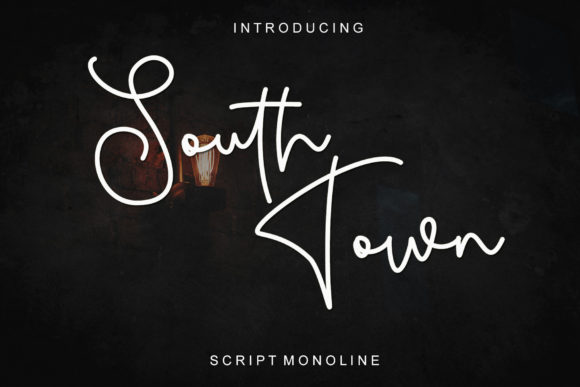
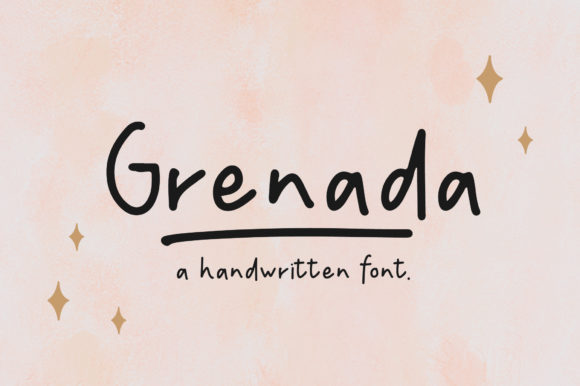
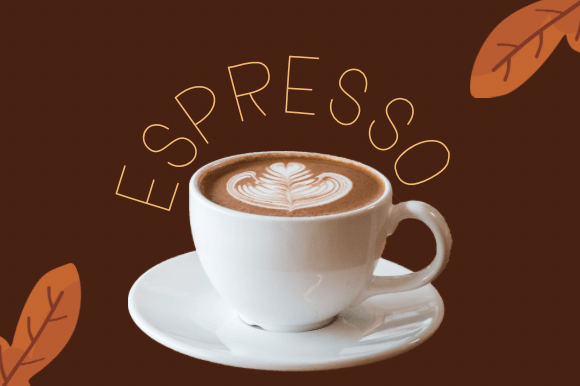
At its heart, Espresso is a display font with a distinctly friendly and approachable personality. Unlike a formal calligraphy script or a rigid serif font, its design prioritizes legibility and visual warmth. The strokes have a subtle, organic variation that mimics the pressure of a real pen, but they're executed with a consistency that ensures clarity. This balance is key; it doesn't sacrifice readability for style. The lowercase letters often feature gentle loops and connections, while the uppercase characters provide a strong, yet soft, starting point for words. This combination makes it feel both personal and professional, a rare quality in many handwritten fonts that can sometimes appear too casual or sloppy for commercial use.
Practical Applications for Branding and Creative Projects
Where does a font like this truly shine? Its value lies in its adaptability. For logo design, it can become the cornerstone of a brand's visual identity, especially for businesses in the lifestyle, beauty, food, or boutique retail sectors. A bakery, a handmade soap company, or a personal coach could use Espresso in their logo to immediately communicate a sense of care, craftsmanship, and approachability. This extends directly into packaging design. Think of artisan coffee bags, organic product labels, or cosmetic boxes—using this typeface for the product name or key messages can make the entire package feel more premium and thoughtfully curated.
Beyond the physical product, the font is exceptionally effective in the digital realm. For social media graphics, it can help a brand stand out in a crowded feed. Using it for quotes, announcements, or story overlays adds a layer of personality that standard sans-serif fonts lack. It’s equally powerful for web design, particularly for blogs, author websites, or creative portfolios where establishing a unique voice is crucial. Imagine a food blog using Espresso for its header titles; it instantly sets a cozy, homemade tone that matches the content. The same principle applies to digital products like printable planners, worksheets, or e-book covers, where the font contributes directly to the perceived value and usability of the item.
Enhancing Your Design Strategy with Intentional Typography
Choosing a font isn't just about picking something pretty; it's a strategic decision that impacts how your message is received. A creative font like Espresso can significantly improve visual consistency across all your materials. By using it as a key part of your brand's typography toolkit—perhaps for headlines and subheadings paired with a clean sans-serif for body text—you create a cohesive look that strengthens brand recognition. Your audience starts to associate that specific, friendly script with your business, which is a powerful element of your brand identity.
However, practical application requires thoughtful consideration. Always test font pairings. Espresso works beautifully alongside neutral sans-serif fonts like Lato or Open Sans, which provide a clean counterpoint without competing for attention. For a more dynamic contrast, it can be paired with a simple serif font. The key is to let the handwritten font be the star of the show. Readability considerations are also paramount. While Espresso is designed for clarity, it's best used for shorter blocks of text: headlines, logos, calls-to-action, and featured quotes. For long paragraphs of body copy, a more traditional serif or sans-serif typeface will ensure your content is easy to read at length.
From Personal Crafts to Professional Assets
The utility of a well-crafted script font extends into both personal and commercial spheres. For the hobbyist or crafter, it’s perfect for creating personalized items: wedding invitations, greeting cards, scrapbook titles, or custom T-shirt designs. The font adds a heartfelt, handmade touch that generic fonts cannot replicate.
For the entrepreneur or small business owner, it becomes a valuable design asset. Using it in marketing assets like email headers, sale banners, or digital ads can make promotional material feel more personal and less corporate, potentially increasing engagement. It’s also an excellent choice for editorial design, such as magazine pull quotes or section dividers, adding a touch of elegance and personality to layouts.
When integrating any new typeface into your workflow, it’s wise to review all the included font styles. Does it come with alternate characters, ligatures, or multiple weights? These features offer greater creative flexibility, allowing you to fine-tune the look for different applications. Finally, for any project intended for commercial use—whether it's a client logo, a product for sale, or marketing material—always verify the commercial licensing. Ensuring you have the proper rights protects your business and respects the work of the typeface designer.
In the end, the right typeface does more than display words; it conveys emotion, builds context, and tells a story. A font like Espresso offers a specific narrative: one of creativity, warmth, and authentic connection. By understanding its strengths and applying it with intention, you can leverage its unique character to make your projects more engaging, memorable, and professionally polished.