Camelia: Where Elegance Meets Whimsy in Handcrafted Typography
There's a particular magic in handwritten letterforms that digital precision can't quite capture—that subtle imperfection, the warmth of a human touch, the feeling that someone carefully crafted each curve and connection just for you. Camelia is a display font that lives in this sweet spot, offering designers and creators a typeface that feels both polished and personal, sophisticated yet approachable. If you've ever struggled to find a font that makes your work feel genuinely inviting without sacrificing professionalism, this might be the creative companion you've been searching for.
Understanding Camelia's Visual Character
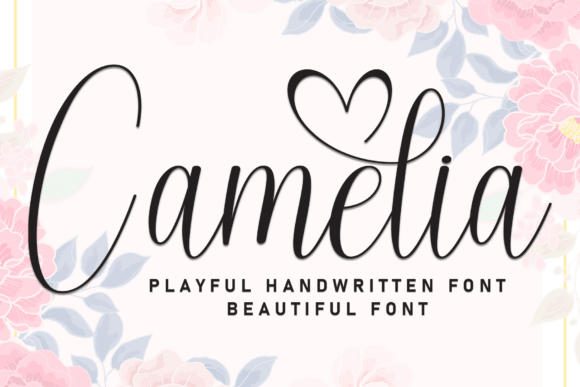
At its core, Camelia is a handwritten display typeface, but that simple description doesn't do justice to its personality. The letterforms carry a flowing, organic quality reminiscent of careful penmanship, yet they maintain enough consistency to function beautifully in design contexts where legibility matters. Each character feels intentionally crafted—the strokes have a natural rhythm, the connections between letters feel fluid rather than forced, and the overall effect is one of effortless charm.
What sets this premium font apart from countless other script and handwritten options is its balance. Some handwritten fonts lean so heavily into casual informality that they feel unprofessional. Others are so restrained they lose the warmth that makes handcrafted typography appealing in the first place. Camelia navigates between these extremes with grace. The letterforms are sweet without being saccharine, friendly without being childish, and elegant without feeling stiff or distant.
The visual details deserve attention too. The varying stroke weights give the typeface a natural, pen-drawn quality. The slightly bouncy baseline creates movement and energy without becoming chaotic. And the overall x-height and spacing make it surprisingly readable for a display font—something that matters enormously when you're actually using it in real projects rather than just admiring it in a specimen sheet.
Where This Font Truly Shines
Let's talk about practical applications, because a beautiful font only matters if it actually works for the projects you're creating. Camelia's personality makes it exceptionally versatile across a range of design contexts, though some applications play to its strengths more than others.
Wedding and event invitations are perhaps the most natural home for this typeface. The handwritten quality evokes the intimacy and care that people associate with life's most meaningful celebrations. Save-the-date cards, RSVP details, reception signage, thank-you notes—throughout the entire suite of wedding stationery, Camelia creates visual cohesion while maintaining that personal, crafted feeling that couples want their guests to experience.
Branding and logo design represent another compelling use case, particularly for businesses that want to communicate warmth, authenticity, and approachability. Think about bakeries, boutique florists, artisan coffee shops, handmade jewelry brands, children's clothing lines, or lifestyle blogs. These businesses often need a typeface that says "we care about quality" without saying "we're a faceless corporation." A well-chosen display font like Camelia can anchor an entire brand identity, especially when paired thoughtfully with a clean sans serif font for body text and supporting materials.
Packaging design benefits enormously from fonts with personality. On a shelf crowded with products competing for attention, handwritten typography can stop someone mid-stride. For artisan food products, cosmetics, candles, stationery, or any product that emphasizes its handcrafted or small-batch nature, Camelia communicates exactly the right message. The font suggests care, attention to detail, and a human story behind the product.
Social media graphics present another opportunity. In feeds dominated by bold sans serifs and predictable layouts, a thoughtfully applied handwritten display font can make your content stand out. Instagram quotes, Pinterest pins, Facebook event graphics, story templates, and promotional announcements all benefit from typography that feels personal and engaging rather than corporate and generic.
Matching Typography to Your Project Goals
Choosing the right font isn't just about finding something attractive—it's about finding something that serves your specific communication goals. Before selecting Camelia or any creative font for a project, ask yourself a few practical questions.
What emotion should this design evoke? If the answer includes words like warmth, joy, playfulness, elegance, intimacy, or friendliness, you're in the right territory. If the project demands authority, technical precision, or serious gravitas, you might want to explore other typeface options and reserve this one for different contexts.
Who is your audience? A handwritten font resonates beautifully with consumers who value authenticity and personal connection. It works wonderfully for brands targeting women aged 25-45, for lifestyle and wellness audiences, for anyone in the wedding industry, and for businesses in the creative or artisan space. Understanding your audience helps you make typography choices that actually connect rather than just decorate.
Where will the typography appear? Display fonts are designed for headlines, logos, and prominent text—not for long paragraphs of body copy. Camelia works best at larger sizes where its beautiful letterforms can breathe and be appreciated. For extended reading text, pair it with a legible serif font or sans serif font that handles smaller sizes gracefully. This font pairing approach creates visual hierarchy and keeps your designs both beautiful and functional.
Practical Tips for Working with Handcrafted Typefaces
Once you've decided to use Camelia in your project, a few practical considerations will help you get the best results.
Test your font pairings carefully. A handwritten display font needs complementary typography to create a complete design system. Try pairing it with geometric sans serifs for a modern contrast, or with classic serif typefaces for something more traditional. The key is creating enough contrast that the hierarchy is clear, while maintaining enough harmony that the overall design feels intentional.
Mind your spacing and sizing. Handwritten fonts often benefit from slightly more generous letter-spacing than you might use with geometric typefaces. At very small sizes, the delicate details that make Camelia beautiful can become muddy, so reserve it for applications where it can be displayed at a size that showcases its character.
Consider color and context. The personality of a handwritten font shifts depending on its surrounding design elements. On a kraft paper background with muted earth tones, it feels rustic and artisanal. Paired with clean white space and a sophisticated color palette, it reads as modern and refined. The same typeface can tell very different stories depending on how you frame it.
Review the included font styles. Many premium fonts come with multiple weights, alternates, or stylistic variations. Take time to explore what's included in your font package. Swash alternates, ligatures, and different letter variations can add significant versatility and help you avoid that "template" feeling that comes from using the exact same letterforms every time.
Understand your licensing. If you're using Camelia for commercial projects—client work, products for sale, business branding, marketing materials—make sure your license covers those applications. Most quality font foundries offer clear licensing terms, and respecting those terms is both legally important and ethically sound. A small investment in proper licensing protects your business and supports the designers who create the tools we rely on.
Building Visual Consistency Across Touchpoints
One of the most practical benefits of choosing the right display font is the consistency it brings to your visual communication. When a bakery uses Camelia across its logo, menu design, packaging labels, social media templates, and website headers, every touchpoint reinforces the same brand story. Customers begin to recognize that visual language. They associate those letterforms with the experience of that brand. That's the beginning of real brand recognition—not just a logo people remember, but a visual identity that feels cohesive and trustworthy.
This consistency extends beyond commercial branding. If you're a blogger building an audience, using the same creative font across your featured images, email headers, and digital products creates a recognizable visual signature. If you're designing a wedding suite, carrying the same typeface from invitation through day-of materials creates an experience that feels curated and thoughtful.
The goal isn't rigid uniformity—it's creating a visual system that feels connected. Camelia can serve as the anchor for that system, the element that ties diverse materials together while other design variables like color, imagery, and layout create variety and interest.
Typography is one of the most powerful tools in any designer's or creator's toolkit, and finding a typeface that genuinely fits your creative vision makes every project more enjoyable and more effective. Camelia offers that rare combination of visual beauty and practical versatility—a font that looks as good on a wedding invitation as it does on an Instagram story, that feels as right for a small business brand as it does for a personal creative project. The best typography doesn't just look beautiful; it communicates something true about the work it represents. That's the real promise of a well-crafted display font, and it's worth investing the time to find the one that speaks your visual language fluently.